Outdoor Chenango: It’s Almost Time For Trail Cameras
Published:
July 16th, 2026
By:
Eric Davis
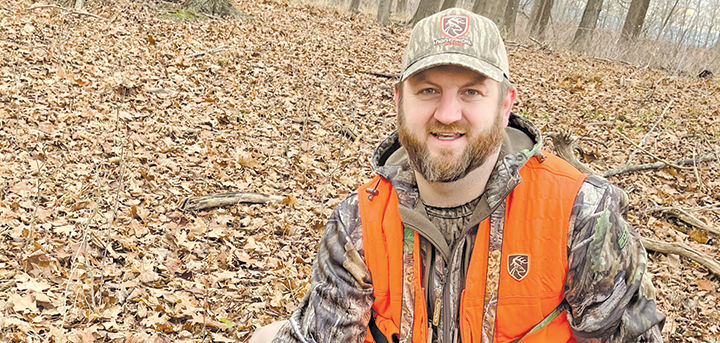 Outdoor Chenango Columnist Eric Davis
I spend a fair amount of time driving around the area for my day job, logging close to 2,000 miles per month. As a hunter, anytime I see a roadkill deer, I have to see if it was a buck or not. I have noticed a few bucks pretty easily in the last couple of weeks because their antlers were big enough to see without much effort. It has me planning to put my trail cameras out in early August.
Pretty much every trail camera on the market now uses infrared lightbulbs to take pictures in low light and in the dark. When you look at the camera, if you can see the bulbs, they will be visible when they go off to take a picture. Since deer see on the blue end of the light spectrum, the red flash does not bother them. I believe that the noise of the camera taking pictures spooks them more than the lights. However, they will be visible to people. This could result in theft of a camera (this happened to me a couple years ago). Studies also indicate that black bears see color. Combine this with a bear’s curiosity and you could find your camera smashed and bit in pieces. Using a lock box can help reduce theft and bear problems. Some people will use cable locks, like bicycle locks, to keep their camera from being taken. If you look at the camera and there are black lenses with no bulbs visible, the flash of the bulbs is tamed by the lenses. It is still noticeable but only if you are looking directly at it and know where to look when it is taking pictures. These “blacked out” models are often preferred when trespassers stealing cameras is a potential problem.
New cameras all run off from AA batteries and are very small and compact compared to the older models that run on C or D size batteries. I even have purchased rechargeable lithium-ion battery packs that can last for a couple of months before needing to be charged. When setting a camera up on an established trail or path, I like to set my camera at about a 45-degree angle to the trail instead of directly perpendicular to it. By setting the camera at an angle, it increases the amount of trail that is covered by the camera. This helps when the deer is moving quickly so the camera can trigger and take a picture before the deer is out of the frame. Also, I set the camera five to ten yards off the trail for the same reason. I set the camera to take a burst of 3 or 5 pictures once triggered and to reset in the shortest interval possible. When setting a camera at a food plot or an apple tree, I will set the camera to take bursts but will lengthen the reset time to a minute or five minutes to avoid getting hundreds of pictures of the same deer eating in one spot for a while. Also, be aware of setting a camera directly to the east or west. When the sun is low, it make interfere with the camera’s ability to determine whether to use the flash or it may cause the picture to be a bright blur.
The most anticipated moment is checking the trail camera to see what pictures it has taken. I try to check my cameras every two weeks to avoid spooking deer out of the area by walking through too frequently. During hunting season, I may check them once a week or a couple times a week if I’m hunting near a camera to get the most up to date information. Some cameras have built in screens to check the pictures stored on the memory card. Looking at these small screens, it can be hard to see antlers on bucks or see other smaller details. Many companies sell wireless viewers that you put the memory card into and can see the pictures on a 5” or bigger screen. This lets you look at the pictures on the spot, decide if you want to clear the card, and put it back in the camera. You can buy readers that plug into smartphones to do the same thing. When using cameras that only record the pictures on memory cards, I recommend buying twice as many cards as you have cameras. That way you can remove cards that have pictures on them to look at later and put blank cards into the cameras so they can keep taking pictures.
In the last few years I have started using cellular trail cameras. These trail cameras come with a sim card just like a cell phone. They require wireless data plans where you pay a monthly subscription and when the camera takes any pictures, they are sent directly to your email. This eliminates the need to go check the camera, which is handy for people with hunting property that is hours away from where they live. They usually still require memory cards that they will save pictures to as well in case the emails don’t go through.
Author: Eric Davis - More From This Author
Comments