Proposed Deer Hunting Regulation Changes
Published:
April 15th, 2026
By:
Eric Davis
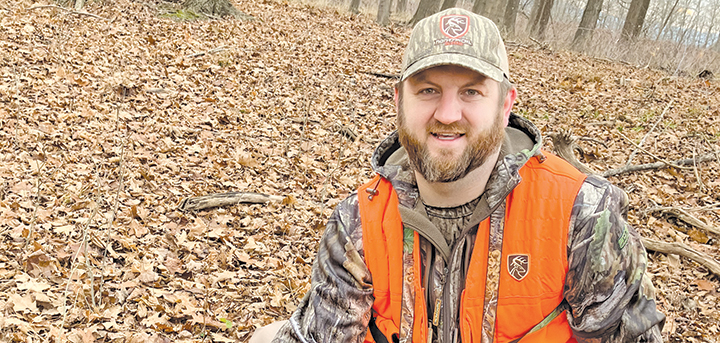 Outdoor Columnist Eric Davis
NEW YORK STATE - Last month the New York State Department of Environmental Conservation (NYSDEC) announced multiple proposed changes to deer hunting regulations, with the majority of them aiming to increase the harvest of antler-less deer.
After seeing numerous posts on social media that never really matched any other posts about the proposed changes, I decided to look at them myself.
In the summary information at the beginning of the press release about the proposed changes, the NYSDEC cites that during recent hunting seasons, less than 15% of licensed deer hunters harvested one antler-less deer , and less than 3% harvested two or more antler-less deer.
From a management perspective, reducing the number of breeding females is the best way to lower the population in an area. A healthy adult doe can produce two fawns (twins) consistently year after year. If one or both fawns are female, they can start reproducing as soon as the same year they were born under the right circumstances.
So without removal of some breeding females, the population can explode in just a few years. This is seen in some parts of the state already, particularly the Finger Lakes region, where the highest deer densities can be found in the state.
The first proposed change is to modify the Deer Management Permit (commonly called doe tags) application process.
There are some Wildlife Management Units (WMUs) that have no quota for how many DMPs can be issued. This means the NYSDEC biologists believe the deer populations in these units is too high and want to have a high number of antler-less deer harvested in those units to try to lower the population. Currently there are four units without quotas. The NYSDEC would like to add 19 WMUs to the list of units with no quotas. Also, they would like to make it so hunters can apply to receive two DMPs for units with no quota while simultaneously applying for two DMPs in units with quotas under the current lottery system used. This means hunters can receive up to four DMPs when they first apply for them. Hunters who use a DMP in a no-quota WMU would receive a bonus DMP automatically for the same unit as well.
The second proposed change is to allow unlimited DMP transfers between hunters. Currently, a hunter can only receive two DMPs from another hunter per season. This would allow hunters to potentially hunt a bigger part of the state as they could receive DMPs for multiple WMUs since they are not limited to two transferred DMPs.
The third proposed change is to add 10 WMUs to the list of 13 WMUs with the 9-day antlerless deer season in September. This increases the opportunity for hunters to harvest antlerless deer and the WMUs are the same as the ones where they want to have no quota for DMPs.
The fourth proposed change is one of the more controversial ones, at least on social media. The NYSDEC wants to implement an earn-a-buck program for a second buck tag. Currently, when you buy a regular season license you get a buck tag that is good for regular season (and muzzleloader season if the right conditions apply to you). Then if you buy a bow or muzzleloader privilege, you get an Either-Sex tag that is good during bow or muzzleloader seasons. So this means you have the ability to harvest 2 bucks. Under the proposed change, you would receive an “Antlered Deer” tag when you buy your license and it is good during any season that you have the appropriate license for. If you buy a bow or muzzleloader tag, the tags would be antlerless only for bow and/or muzzleloader season. If a hunter fills any antlerless deer tag (bow/muzzleloader, DMP, or DMAP) and reports the harvest, they would receive a second Antlered Deer tag that is good during any season you have the license for.
A fifth proposed change is also being made but it is to change/clarify the wording used to define what a barbed broadhead is when it comes to mechanical broad heads with moving blades.
If you want to check out the proposed changes for yourself, a quick online search of “NYSDEC 2026 deer regulation proposed changes” will get you there pretty quickly. The NYSDEC is accepting public comments on the proposed changes until May 17, if you want to voice your approval and/or concern over the proposed changes. How to submit you comments is provided on the NYSDEC page with the proposed changes.
Author: Eric Davis - More From This Author
Comments