Looking For The Right Hunting Gear?
Published:
August 26th, 2026
By:
Eric Davis
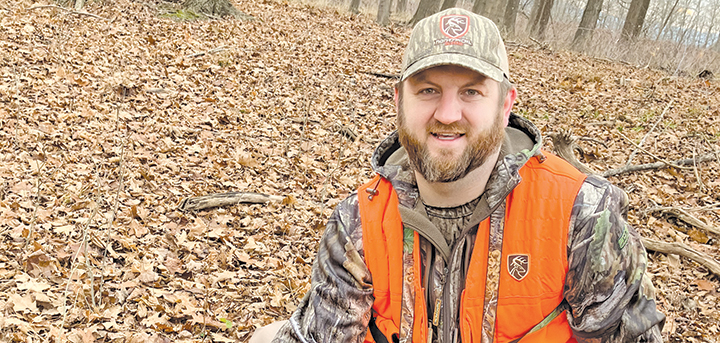 Outdoor Chenango Columnist Eric Davis
When almost anyone starts hunting, they go out and get the various items that they need to have. To deer hunt with a firearm, they need a firearm, ammunition, either a blaze orange vest or hat, and their hunting license.
A similar shopping list for archery hunting of a bow (or crossbow), arrows, broad heads, and archery privilege added to their hunting license. I would argue these are the bare minimum of required gear.
Probably one of the first “add on” items a hunter should buy is a knife. If they are successful in harvesting a deer, the ability to field dress it will make it lighter for dragging it out and it helps to start cooling the body cavity. I have used folding and fixed blade knives for deer field dressing and have found that I prefer a fixed blade. The knife I currently use has a 4-inch blade and works well for me. When adding a knife to your gear, grab a couple of pairs of latex or nitrile gloves and a 4-foot piece of rope to round out a “kill kit” so you are prepared for the task of getting your harvest out of the woods.
The next gear upgrade would be clothing. You can hunt in about any clothing but being comfortable and concealed can make your odds of success higher. Staying warm and dry will keep you in the woods longer, increasing your time to see and shoot a deer (“You can’t kill them from the couch”). And being hidden when moving, like when drawing your bow, will keep you from spooking the deer. When hunting season weather gets cooler, dress in layers of non-cotton clothing. I have become a big fan of merino wool base layers. They are great at keeping you warm without being too bulky and they retain their insulation properties when wet.
Optics can be one of the greatest game changers when hunting. Binoculars will let you see things farther away and can let you get prepared for shot opportunities. The common magnifications of binoculars are 8x, 10x and 12x. The larger the magnification, the more zoomed in the binoculars will be. In the woods or areas with brush, less zoom might be better so you can pick out what you are looking for easier, and in open fields the high magnification will let you see farther.
The objective diameter is also important in how binoculars work. A 10x42mm pair of binoculars have a 42mm diameter on the far lens of the binocular. The larger the objective diameter, the amount of light that gets through to the eyepiece. So larger objective binoculars (and any other optic for that matter), the better they are in low-light conditions. While on optics, archery hunters will often gain the most benefit from buying a rangefinder. Being able to press a button and have it tell you how far away a deer is, so you can aim properly will make you confident in your shot. I often use my rangefinder to get the distances of noticeable trees near trails I expect the deer to take so I don’t have to use the rangefinder when the deer is in bow range.
Treestands and ground blinds conceal your presence from the deer while allowing you to get your shot off. Hunting from an elevated position gives you a vantage point to see things farther way than if you were standing on the ground. This is very beneficial in the woods. The downward trajectory of your shot can help produce better blood trails and offers a safe backdrop for a bullet to go into if either you miss or the bullet completely passes through the deer. Ground blinds are popular around open fields. Most have limited window areas that you can see and shoot out of, so having them in open areas gives you a better chance to see deer and prepare to get a shot.
If you are planning to hunt from a treestand or a ground blind, make sure to practice shooting like you would in the field. Drawing a bow while sitting down is much different than standing, and shooting at extreme angles (deer at the base of the tree you are in) changes where you should aim.
Author: Eric Davis - More From This Author
Comments