The Turning Point Of Chenango County Recovery Center Faces Downsizing
Published:
April 7th, 2026
By:
Kelli Miller
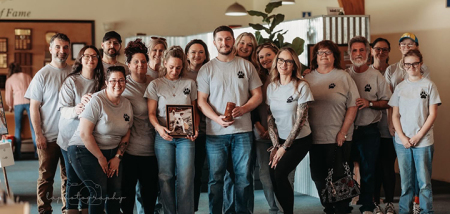
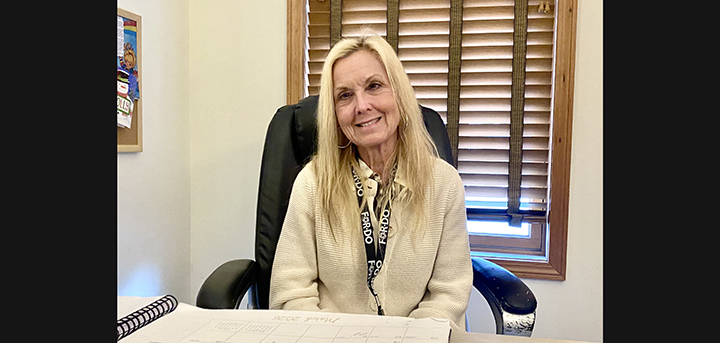 The Turning Point of Chenango County Executive Director Debra Berrios said federal funding for the center will expire June 30, possibly forcing them to severely downsize. (Photo by Kelli Miller)
NORWICH — The Turning Point of Chenango County Recovery Center, located at 24 East Main Street in Norwich, is a vital resource for individuals in recovery within the Recovery Community and the organization is facing reductions in federal funding.
"As of June 30, 2026, the Center’s federal funding will expire,” said The Turning Point of Chenango County and Friends of Recovery Dedicated to Others (FORDO) Executive Director Debra Berrios. “Without additional resources, we will not be able to sustain current operations and will be forced to severely downsize."
Berrios said she has been campaigning and discussing potential state revenue, reaching out to the Office of Addiction Services and Supports (OASAS), but at this point, OASAS said there is no start up monies for any recovery initiatives but down the road there may be.
"If they did have it, I know they would give it to me, " said Berrios.
Given the impending reduction in funding, Berrios reached out to the City of Norwich Mayor Robert Jeffrey, in hopes of support and finding a solution to keep the doors open.
Mayor Jeffrey said Turning Point/FORDO has added value to the community by being an incredible neighbor and important operation for recovery in Chenango County.
"The City of Norwich has been in contact with Debra and has reached out to many of our officials in Chenango County Government and have put her in contact with officials from Congressman Josh Riley's office to see what funding can be provided to keep their operations open," said Jeffrey.
He noted the Turning Point team help support about 4,000 people annually who are facing addiction and said their services provide a hand-up for those who want to recover.
"Their mission is important and has already impacted many people throughout Chenango County," Jeffrey said.
The City of Norwich is concerned about the long-term impact the closing of this location will have, both on the residents facing addiction here in the city, but also Chenango County, explained Jeffrey.
"The City of Norwich wants to see Turning Point/FORDO remain open and active here in Chenango County." he added.
Berrios said the total cost to run the center is $300,000 a year, with $32,000 of that going to rent and utilities. She said they may have to downsize with employee reduction and possibly rent out the upstairs portion of the building.
"We have two floors, three full time staff, vehicles, services, and programming," Berrios continued. "The vehicles are used for people to be transported to and from detox, treatments, medical, legal, anything recovery related."
She said they were awarded funding for a vehicle and use it with no limitations when it comes to servicing for treatment.
"I don't believe transportation is an issue for us, but it may be an issue with who might be driving the vehicles," said Berrios.
This year, in March, they serviced 482 people and if the center downsized or closes, not only those looking for recovery, but also the community, will be impacted.
She said the strain put on the community and essential services will be felt."
"You will have people going into emergency for detox when they could have been transferred to and from a detox unit instead of taking up space in ER and that's a big expense, "Berrios said.
Berrios pointed to the RC Foundation for their support in the beginning and again during these tumultuous times.
"The foundation has been phenomenal, and without Rick Runyon and the foundation he is affiliated with, we wouldn't be here," she added.
She said in the beginning, the RC Smith Foundation put up the money to open the doors, pay the rent and put the lights on so this community would have what the other two state funded centers in Otsego and Delaware County have.
Other local foundations gave additional money, but we knew that rent and utilities were covered and we would rotate staff from other locations to provide services here, that's how we started.
"Within that year, we found a federal grant called Building Communities of Recovery (BCOR) and applied for it," said Berrios. "We were happy to hear we were awarded three years of stable federal funding which was about $300,000 per year, totaling $900,000 over the span of those three years."
Berrios realized about two years in, she needed to find additional support as funds were drying out. She said she has made calls out to many foundations and continually reaches out for help.
"Yet again, the RC Foundation stepped up to the plate and gave us $50,000 to use after the BCOR money runs out at the end of June, that will pay for the rent and utilities.
She also noted their money from the Chenango County Opioid Settlement in 2022 was used in the center and that money will no longer be available.
Berrios said the a local government official said the next round will be released in 2027, adding "So, that's not helpful now and we will wait our turn and hope for the best, leaving our doors open, with shortened staff and limited services."
Peer Support Specialist and Narcan Trainer Lindsay Willey said when people walk in their door, they meet them where they're at.
"We make sure they're ok and that they can function at the moment and then ask them if they want to go to treatment," said Willey.
"Meet you where you're at" can be a wide range of circumstances from using or making a decision to change their lives, and we offer life goals to make sure they stay on those goals and also, we help with finding employment, apartments and more," she said.
Willey said they ask if they want to go to outpatient or in-patient services and get them set up within 24 hours with transportation provided to many facilities in the area and in Pennsylvania.
Becoming a volunteer at Turning Point has been life-changing for Willey. Her personal experiences led her to Turning Point and said if she didn't have the center, she would have relapsed.
Turning Point helped her find an apartment, offered her a job and is thankful because she is celebrating four years of sobriety.
Willey explained Chenango County doesn't have the housing and treatment is the biggest thing.
"We're constantly changing lives by getting help to those that are willing," Willey continued. "We offer shower service, hygiene items, Narcan education, backpacks, meals, community food pantry, we have a breakfast on Fridays and offer nutritional education, plus help in any stage of recovery."
The Turning Point is not a clinical base and does not diagnose or professionally treat or provide medication. They do not administer drugs or hand out needles. They can be referred to primary care physicians, or behavioral health.
Turning Point is always accepting volunteers and appreciates the volunteers they have now.
The center is open from 9 a.m. to 5 p.m. Monday through Friday with Saturday programming.
FOR-DO is a grassroots addiction recovery community organization where the vision for addiction recovery is supported and celebrated as a common reality.
FOR-DO consists of The Turning Point Recovery Community and Outreach Centers, Club Odyssey, and The Oneonta Teen Center.
According to their website, they provide Recovery Support Services to help initiate and/or sustain long-term recovery and prevent re-occurrence by building recovery capital, demonstrating hope, inviting all to participate, promoting volunteerism, and creating public awareness.
Their mission is to provide Education and awareness activities to reduce stigma and discrimination related to addiction, advocate for legislation and services that support recovery from addiction and operate Recovery Community and Outreach Centers (RCOC’s) for those in recovery from addiction and their families.
For additional information on The Turning Point of Chenango County Recovery Center, email Debra Berrios at debra@friendsofrecoverydo.org
To donate to The Turning Point, visit their website at https://for-do.org/donate/
To become a volunteer, email Lindsay Willey at lindsay@friendsofrecoverydo.org.
Author: Kelli Miller - More From This Author
Comments