NYCM Insurance Shares Winter Weather Safety Resources To Help Residents During Severe Storms
Published:
January 26th, 2026
By:
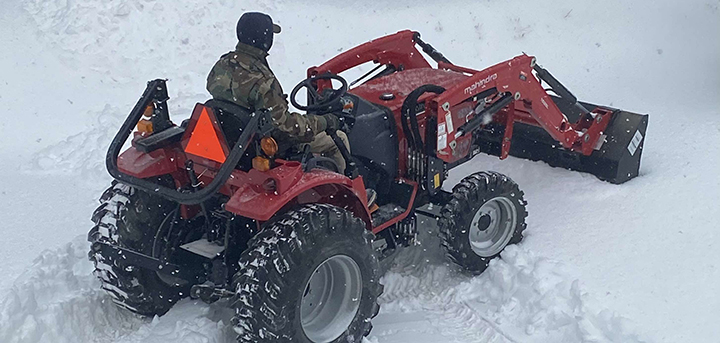 NYCM Insurance is sharing practical resources to help residents take proactive steps to protect their homes, reduce potential damage, and stay safe during severe winter weather. Winter weather safety tips and seasonal preparedness content are available on the NYCM Insurance Blog at blog.nycm.com. NYCM can also be found on Facebook at facebook.com/nycminsurance and on Instagram at instagram.com/nycm.insurance. (Photo by Kelli Miller)
EDMESTON – As New York prepares for a statewide winter storm system, NYCM Insurance is sharing timely, practical resources to help residents take proactive steps to protect their homes, reduce potential damage, and stay safe during severe winter weather.
“Our goal is to help New Yorkers feel informed and prepared before severe weather arrives,” said George Hanslmaier, Division Manager of Property and Commercial Claims for NYCM Insurance. “Simple preventative actions taken ahead of time can make a meaningful difference in protecting homes, preventing damage, and keeping families safe.”
The resources being shared encourage customers to take the following preventative steps:
Property Protection: Ensure adequate fuel is available for heating. Open cabinet doors under sinks to allow warm air to circulate around pipes. Safely remove excessive snow from roofs, vents, and chimneys when possible.
Preventing Frozen Pipes: Allow faucets to drip slightly during extreme cold. If a home is unoccupied, ensure the main water supply is shut off.
Snow and Ice Safety: Clear snow and ice from walkways and entrances to help reduce slip-and-fall risks
Emergency Preparedness: Prepare an emergency supply kit in advance of the storm
If damage does occur, NYCM advises customers to file a claim online at www.nycm.com/claims.
Additional winter weather safety tips and seasonal preparedness content are available on the NYCM Insurance Blog at blog.nycm.com. NYCM can also be found on Facebook at facebook.com/nycminsurance and on Instagram at instagram.com/nycm.insurance.
NYCM Insurance is a property and casualty insurance carrier providing coverage to residents and businesses in New York since 1899. With a team of nearly 1,000 employees and a network of over 1,000 independent agents, NYCM Insurance is dedicated to providing superior service and quality customer experience to its more than 650,000 policyholders. Insurance lines include Home, Auto, Umbrella, and Business. To learn more about NYCM’s services and legacy, visit www.nycm.com.
Space Heater Responsibility:
One popular way of supplementing the heat in your house during winter months is with portable, electric space heaters. And while space heaters can be an effective way of helping to heat a small space, they can also bring about their own risks to the safety of you and your property.
In 2022, the National Fire Prevention Agency (NFPA) published a report on Home Heating Fires that found heating equipment was the leading cause of fires in U.S. homes. If you are planning on using a space heater this winter, it’s important to be aware of the various risks involved and the safety precautions you can take to try to mitigate them. Continue reading to learn important safety tips when using a portable space heater. Find the right location for your space heater, away from hazards.
Perhaps the most important safety tip to remember when using portable space heaters is to make sure it is not being used in close proximity to anything that can burn. As space heaters warm up, they can ignite nearby items, like blankets, curtains, drapes, and anything that is not intended to withstand high temperatures.
According to the NFPA’s Home Heating Fires report, “Over half (54 percent) of the home heating fire deaths were caused by having heating equipment too close to things that can burn, such as upholstered furniture, clothing, mattress, or bedding.”
Indeed, space heaters reach temperatures that can be hazardous to flammable material. Always be mindful of your space heater’s location relative to things that can burn―the U.S. Consumer Product Safety Commission recommends keeping your heater three feet away from anything flammable.
You should also make sure to position your space heater on flat ground and out of the way of any foot traffic. It’s important that your heater remains stable on the ground to reduce the risk of accidents and damages.
Never leave a space heater running overnight or unattended.
When you leave a room or go to bed for the night, always turn off and unplug your space heater to prevent it from continuing to run and overheating. Some space heaters are manufactured with a protection mechanism to prevent overheating or an auto-off mode in the event it falls over. But remember that these are supplemental resources intended as a last line of defense. You still need to do your due diligence and ensure it does not run for too long.
Safety Pro-Tip:
When powering your space heater, be sure to plug it directly into the wall. Never use an extension cord or power strip―a space heater can draw a significant amount of energy, and extension cords and power strips are not built to handle the transfer.
Get familiar with your model of space heater and its method for producing heat. A few kinds of portable electric space heaters include fan-forced heaters, oil/water-filled radiators, ceramic heaters, and infrared heaters. Read the manual to learn the ins and outs of your space heater and regularly inspect it for damage.
To do this, inspect your space heater while it is unplugged and off, looking for any deformations, discolorations, and making sure the cord and wiring is intact and unharmed. If a space heater appears damaged, it may be at risk of malfunctioning and producing a fire.
Using a space heater can be an easy way to make yourself a little more comfortable in the cold months, but they must be used responsibly to avoid the disastrous outcome of a house fire. Click below to read our guide to fire extinguisher safety so that you are prepared to act if a small fire starts in your home.
Removing ice from your home:
As temperatures drop, icicles can begin forming along roofs, gutters, and overhangs. While they may look harmless, icicles can pose serious safety risks to people below and may also signal underlying issues that can lead to property damage.
Depending on both the angle and material of your roof you may accumulate mounds of snow and icicles around the edges. Removing the snow and ice is incredibly important for both your safety and anyone else who may be entering or exiting your home. The last thing you want is your mailman to be struck or impaled by an icicle you hadn’t yet removed. Not to mention, icicles are a sign of poor water runoff, likely from an ice dam which could result in trapped water causing roof or wall damage to your home. As you can see, you’ll want to remove the ice dam as quickly as possible. Follow these steps to do so safely:
1. Always have a spotter or second person nearby as you’ll likely need a ladder. You’ll also want to warn those Inside the home to avoid the windows and walking outside at this time as ice may be falling. You’ll need to start by removing snow from the roof using a roof rake. Avoid using a shovel or brush as these tools may cause damage to the roofing material. You’ll want all of the snow 3-4 feet up from the gutter removed.
2. Once the snow has been removed from the roof you’ll want to take tarps and cover any plants or shrubbery below the gutters. This will help protect them from falling ice and the ice melt chemical.
3. Next you’ll take a nylon stocking and fill it with ice melt (calcium chloride) which you can likely find at your local hardware store. Make sure you don’t accidentally use sodium chloride as it can melt or damage your roof or gutters. Next take the filled stocking and place it atop the ice-filled gutter.
4. The calcium chloride will melt the ice in the gutter, creating a channel and the icicles will fall off and your water runoff will be restored.
You’ll want to remember, however, that this is purely a temporary solution. The main reason your home is forming ice dams is because the house is not air tight with proper ventilation. The key to preventing ice dams is keep your roof cool, which means proper insulation in your attic.
Keep a close eye on your home this winter to notice any forming ice dams and remove them quickly before they result in potential internal and external damage to your home. Whenever you can- have your home inspected for insulation weaknesses, as this will prevent future ice dams.
Tips for pets:
For some of us, our furry friends are a part of our families. As the temperature drops, it's important to keep them hydrated, warm, comfortable, and most importantly--safe--during the winter weather season.
Here are a few cold weather safety tips for pets:
Just like humans, animals require a lot of water! This is especially true during the winter months when the humidity is low and can cause dehydration in animals. Additionally, because exercising in colder temperatures increases heart rate, we need to be sure our furry friends are staying hydrated.
There are many dangers in the winter that can be harmful to our pets. Try using a pet-friendly de-icer or salt, as some types may be harmful to their paws! Be sure that if you walk your pets outside you avoid ponds or frozen lakes as your pet (as well as you) could be in danger if the ice breaks! Also, when pets are outside, keep them leashed. Snow can mask familiar scents which would normally guide them home in case they get lost. Lastly, after being outside, wipe down their paws and check for injuries or bleeding.
If it’s too cold for you, it’s usually too cold for your pet, too! Short-haired, young, and older animals are much more susceptible to the cold and are at a greater risk of hypothermia or frostbite. If you plan on being outside for more than a few minutes, consider dressing your pet in an animal sweater or coat.
While coats and sweaters are a great way to keep your pet’s body temperature up, try pet booties to keep their feet warm and comfortable. Additionally, just as hot cars are a danger for animals in the summer months, cold cars are just as dangerous! Keep your pets in the comfort of your home as much as possible and only take them on car rides when necessary.
Keeping your furry friends safe is a top priority, and using these helpful tips can help to keep your pets safe and warm all winter long.
For even more winter weather tips visit blog.nycm.com.
- Information from NYCM
Comments