Gas Leases Give Rise To Environmental Concerns
Published:
June 2nd, 2008
By:
Melissa deCordova
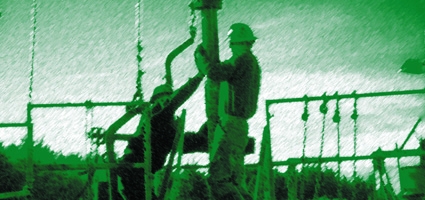
NORWICH – Those trying to keep up with the surge of interest in Chenango County’s natural gas stores are urging regulators and property owners not to let dollar signs shield their focus on protecting the environment.
Energy companies of all shapes and sizes have been targeting much of Pennsylvania and central New York over the past couple of years, wanting property owners to sign leases. Recently-invented horizontal drilling techniques coupled with discoveries of larger than realized quantities of natural gas in the Marcellus Strata located here have raised high hopes for better economic times.
One local landowner suggests, at the very least, that individuals who plan to lease their land and allow drilling should have their water tested before, during and after the process.
“Then you will have something to compare it to,” said Todd Barnes, the owner of Barnes Bluestone and several acres along county Rt. 32 in Norwich. “Once you’ve signed, you have no protection for your water. Who’s liable for it? If it does mess it up, who is going to take care of it and how long will it take?”
Barnes said he is particularly worried that the millions of gallons of water needed will drain nearby wells: “Where are they going to get all of this water?” he asked.
Author: Melissa deCordova - More From This Author
Comments