The Scourge Of Dandelions
Published:
June 6th, 2006
By:
Donald A. Windsor
By Donald A. Windsor
Deputy Historian, Chenango County
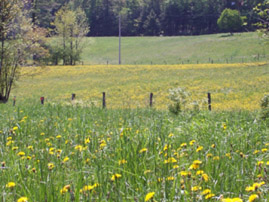
Our most spectacular spring wildflower is the dandelion. The photo shows a field in Oxford full of them. However, just as no good deed goes unpunished, so too no wildflower goes unpersecuted. The annual dandelion massacre occurs every spring as the mowers roar out.
So, what’s not to like about dandelions? OK, their spherical seed arrays are not always appreciated. They certainly can make a lawn look, well ... seedy. But the widespread contempt for the dandelion runs much deeper, far deeper than its elongated tap root. The dandelion seems to be the poster flower for the misguided fetish of weed-free lawns. To place things in their proper perspective, a lawn devoid of weeds is usually a lawn laced with pesticides. A lawn without weeds proclaims to the world that the property owner may harbor a callous disregard for the environment. Poisonous chemicals applied to a lawn ultimately run off into waterways, where they can inflict ecological damage.
Hostility toward dandelions reflects attitudes toward nature. This cheerful little flower has the power to further polarize an already divided society. Well, like it or not, everything has a history and that includes dandelions. They are not native to the Americas and were first brought here in the 1600s by colonists from Europe. They were imported as a garden vegetable. Today the dandelion enjoys a worldwide distribution. It is a cosmopolitan symbol of European aggrandization.
The Evening Sun
Continue reading your article with a Premium Evesun Membership
View Membership Options
Author: Donald A. Windsor - More From This Author
Comments